
At Kokomo Smile Creations, we take a forward-thinking approach to oral health: routine exams are not just checkboxes, they are the foundation of long-term wellbeing. Regular, thorough oral examinations let our team identify small concerns before they become complex problems, tailor preventive plans to each person, and keep every family member’s smile functioning comfortably. Our goal is to combine careful clinical assessment with clear explanations so you leave appointments informed and confident about your care.
Your initial oral exam starts with a conversation. We'll review your medical history, current medications, and any dental concerns you bring — from sensitivity to cosmetic questions. Listening to your story helps us see the whole picture and spot potential risk factors that influence oral health, such as medications that cause dry mouth or habits like nighttime grinding.
The hands-on portion of the exam is methodical and gentle. We inspect teeth for decay, check gum tissues for inflammation, evaluate how your bite fits together, and palpate areas of the head and neck to detect unusual lumps or tenderness. We also assess jaw movement and any signs of temporomandibular joint (TMJ) dysfunction, which can show up as pain, clicking, or uneven wear on teeth.
Where appropriate, we pair the clinical inspection with targeted imaging to get a clearer view beneath the surface. Digital x-rays and, when indicated, three-dimensional scans allow us to examine tooth roots, bone levels, and developing structures. By combining clinical findings and images, we create a complete baseline that guides prevention and treatment decisions.

An oral exam looks beyond the teeth. Signs in the mouth can reflect systemic conditions — everything from nutritional deficiencies to immune or metabolic disorders. During a routine screening we watch for persistent inflammation, unusual lesions, and patterns of wear or tissue change that may warrant further medical evaluation.
Growing research shows meaningful links between oral health and systemic diseases. Chronic gum inflammation, for example, has been associated with conditions such as cardiovascular disease and diabetes; conversely, control of systemic conditions can improve oral outcomes. That reciprocal relationship makes thorough exams an important part of overall preventive care.
We also screen for early indicators of oral cancer and other serious problems during every exam. Detecting unusual tissue changes or persistent sores early can dramatically improve the effectiveness of any required follow-up. If we identify a concern, we’ll explain what we see, outline next steps, and coordinate with your medical providers when needed.

Home care is essential, but professional cleanings remove deposits that a toothbrush and floss can miss. Over time, plaque mineralizes into tartar (calculus), which adheres to tooth surfaces and creates an environment that promotes decay and gum disease. Hygienist-performed scaling and polishing remove these deposits and help reverse early inflammation.
Beyond cleaning, routine visits are an opportunity for personalized coaching. We demonstrate techniques, recommend tools that fit your needs, and suggest small habit changes that produce big results. For patients with higher risk factors — such as gum disease, dry mouth, or a history of decay — we tailor follow-up and preventive measures accordingly.
Regular checkups also let us monitor restorative work, orthodontic changes, and the health of supporting bone. Tracking these elements over time means problems are caught when they are easier to treat, and treatment plans can be adjusted as your circumstances change.
Visual inspection is vital, but imaging reveals what cannot be seen with the naked eye. Digital radiography gives us a safe, efficient way to evaluate tooth roots, bone height, developing cavities between teeth, and the fit of restorations. Images are available immediately, which helps us discuss findings with you in real time.
Compared with traditional film, digital x-rays reduce radiation exposure and allow images to be enhanced, enlarged, and shared electronically if specialist consultation is needed. This speed and clarity accelerate diagnosis and treatment planning while improving record keeping for long-term care.
For complex cases or surgical planning, three-dimensional cone‑beam scans offer even greater detail. These scans help with implant planning, assessment of impacted teeth, and evaluation of jaw anatomy. We recommend advanced imaging selectively and only when it will provide clear diagnostic value to your care.
Quicker imaging with lower radiation exposure
Immediate review and clearer visualization of hidden problems
Easy electronic storage and secure sharing for collaborative care
Environmentally friendly workflow with no chemical developers
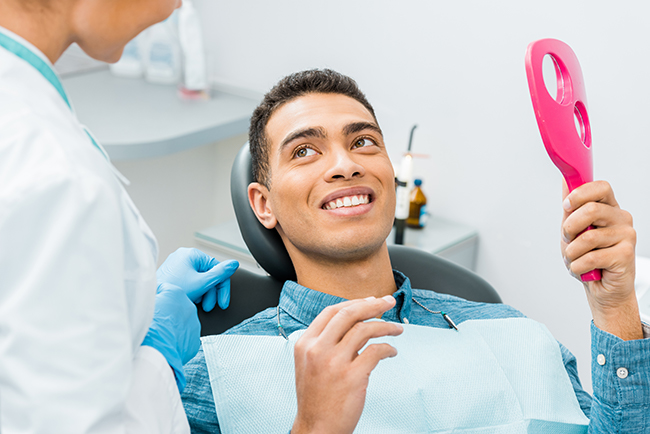
Different imaging tools serve different purposes. Bitewing images are ideal for spotting decay between teeth and assessing bone levels around posterior teeth. Periapical images focus on a single tooth from crown to root and are useful when evaluating infections, root anatomy, or traumatic injury.
Panoramic films provide a broad overview of the jaws, showing erupted and developing teeth, impacted teeth, and general bone contours. Cephalometric views are used primarily in orthodontic assessment to analyze facial and jaw relationships. Each image type contributes a piece of the diagnostic puzzle.
When detailed three-dimensional information is required, cone-beam CT (CBCT) scans produce high-resolution volumetric images. CBCT is a powerful planning tool for implant placement, complex extractions, and cases where precise anatomic mapping improves outcomes. We recommend these scans only when their additional detail will meaningfully influence treatment.
Whatever imaging we select, our priority is minimal exposure and maximum diagnostic benefit. We’ll explain why a particular image is recommended and how it will help guide your care.
Routine oral exams are the single most effective way to protect your teeth, gums, and overall health over the long term. If you have questions about what to expect at an exam or want to learn how we personalize preventive plans, please contact us for more information. Our team is happy to help you understand your options and take the next step toward a healthier smile.
Your comprehensive oral exam begins with a focused conversation about your medical history, current medications, and any concerns you have about your teeth or gums. We listen for symptoms such as sensitivity, chewing problems, or jaw pain and review risk factors like dry mouth or nighttime grinding that can affect oral health. That background helps guide the hands-on portion of the visit so we can tailor the exam to your needs.
The clinical exam is methodical and gentle: we inspect teeth for decay, evaluate gum tissues for inflammation or recession, assess bite and tooth wear, and palpate the head and neck for unusual lumps or tenderness. Jaw movement and signs of temporomandibular joint dysfunction are evaluated as part of the overall assessment. When indicated, targeted imaging supplements the exam to reveal issues below the surface and to establish a clear baseline for future care.
Frequency of routine oral exams depends on each patient’s risk factors, but many adults benefit from evaluations every six months to maintain preventive care and catch problems early. Patients with a history of gum disease, frequent decay, dry mouth, or complex restorative work may need more frequent monitoring to protect long-term oral health. We recommend intervals based on clinical findings and your personal health history rather than a one-size-fits-all schedule.
During your visit we review how your current oral care routine and systemic health affect the recommended recall interval and adjust follow-up accordingly. Keeping a consistent schedule allows us to track changes in teeth, gums, and restorations so treatments can be simpler and more conservative when problems arise. Regular visits also create opportunities for personalized coaching that improves daily hygiene and reduces future risks.
An oral exam looks beyond cavities and gingivitis to identify signs that may reflect broader medical conditions, such as nutritional deficiencies, immune disorders, or diabetes. Persistent inflammation, unusual tissue changes, and patterns of wear or ulceration can all prompt further evaluation or coordination with your physician. Recognizing these oral indicators early supports more timely medical assessment and better overall outcomes.
We document unusual findings and discuss their potential significance with patients in straightforward terms, explaining when a medical referral or additional testing is advisable. Because oral and systemic health influence each other, thorough dental evaluations are an important part of preventive care for the whole person. Our approach emphasizes clear communication and collaboration with other healthcare providers when appropriate.
Dental imaging complements the visual and tactile portions of an exam by revealing structures that cannot be seen by the naked eye, such as tooth roots, bone levels, and hidden decay between teeth. Digital radiographs provide immediate images that we can enhance and review with you in real time, improving diagnosis and treatment planning. When more detailed information is needed for surgical or implant planning, three-dimensional cone-beam scans offer volumetric views of jaw anatomy.
Modern digital imaging uses lower radiation doses than traditional film and allows for secure electronic storage and sharing with specialists when collaborative care is required. We recommend advanced imaging selectively and only when it will change the diagnostic or treatment approach. Our goal is to balance diagnostic value with minimal exposure while ensuring clear records for long-term care.
Professional cleanings remove plaque and hardened tartar that cannot be eliminated by routine at-home brushing and flossing, helping to reverse early gum inflammation and reduce the risk of disease progression. Our dental hygienists perform scaling to remove deposits from tooth surfaces and the pockets around teeth, followed by polishing to smooth enamel and remove surface stains. These procedures restore a healthier environment for gums and supporting structures.
Cleanings are also an opportunity for personalized oral hygiene coaching and preventive recommendations tailored to your needs. We demonstrate techniques, suggest appropriate tools, and may recommend additional therapies for patients with higher risk such as topical fluoride or more frequent recalls. Monitoring the response to professional cleaning over time helps us adjust preventive care to protect your long-term oral health.
Every routine oral exam includes a systematic visual and tactile screening for abnormal tissue changes that can indicate oral cancer or other serious conditions. We examine the lips, tongue, floor of mouth, cheeks, palate, and throat for lesions, persistent sores, or color and texture changes, and palpate lymph nodes and soft tissues for unusual firmness or tenderness. Early detection significantly improves treatment outcomes, so vigilant screening is a standard part of our evaluation.
If we identify an area of concern we document its characteristics, discuss possible causes, and recommend appropriate next steps which may include monitoring, biopsy, or specialist referral. We communicate findings clearly and will coordinate with medical colleagues when further diagnostic workup is needed. Prompt attention to suspicious changes is key to effective care.
Oral exams are adapted to the developmental stage and specific needs of each patient; pediatric evaluations focus on growth, eruption patterns, and habits that influence long-term oral health. For children we assess tooth development, bite relationships, and risks for cavities while counseling caregivers on diet, fluoride, and home care that support healthy development. Early exams also allow timely interception of problems such as thumb sucking or early crowding.
Adult exams place greater emphasis on periodontal health, restorations, and signs of wear or TMJ dysfunction that develop over time, with tailored monitoring of bone support and prior dental work. For older adults we also address medication effects, dry mouth, and the impact of systemic conditions on oral tissues. In every age group we customize screening and prevention to protect function and comfort across the lifespan.
There is no special preparation required for a first oral exam, but bringing a list of current medications, recent medical history, and any dental records or x-rays you may have can be very helpful. Prepare a brief note about symptoms or questions you want to discuss so we can address your priorities during the visit. Honest communication about anxiety, past dental experiences, or specific concerns allows the team to make your initial visit more comfortable.
Arrive with routine oral hygiene completed so we can perform a clear inspection and, if appropriate, a professional cleaning during the same appointment. If you have health conditions or require special accommodations, letting us know ahead of time helps us prepare and ensures a smooth, focused exam. We aim to make the first visit informative and reassuring for every patient.
Several findings during an oral exam can prompt additional treatment, including active tooth decay that requires restoration, signs of progressing gum disease that need periodontal therapy, or dysfunctional bite issues that benefit from orthodontic or occlusal care. Persistent or atypical tissue changes may require biopsy or evaluation by an oral medicine specialist, while complex surgical needs often lead to referral for advanced imaging and specialist consultation. TMJ disorders, sleep-disordered breathing indicators, and suspected systemic connections are other examples that can expand the care plan.
When further treatment or referral is necessary we explain the clinical reasons, the expected next steps, and how those interventions support long-term oral health. We coordinate care with specialists and your medical providers when appropriate to ensure a cohesive approach. Our focus is on timely, evidence-based action that reduces risk and preserves function whenever possible.
After a thorough exam we develop a preventive plan that reflects your individual risk profile, lifestyle, and oral health goals, incorporating at-home care, professional cleanings, and any needed preventive therapies. This plan may include targeted fluoride treatments, desensitizing strategies, habit counseling, or tailored recall intervals to address specific concerns like dry mouth or high caries risk. Personalization helps maximize the long-term effectiveness of preventive measures.
Dr. Alec Willard and the team review findings with you in clear terms and adjust recommendations as your needs change over time, using imaging and clinical records to track progress. Ongoing communication and education are central to our approach so patients can make informed choices and take an active role in maintaining oral health. The result is a practical, evidence-based prevention strategy designed to protect your smile for years to come.
Kokomo Smile Creations is a family-focused dental practice led by Dr. Alec Willard, proudly serving Kokomo and the surrounding communities for generations. We're committed to personalized, comfortable care in a smaller, more intimate office where you're treated like family.
Where to Find Us
412 West Walnut Street, Kokomo, IN 46901