
Deciding to remove a tooth is never taken lightly. At the office of Kokomo Smile Creations, our first goal is always to preserve natural teeth whenever possible, but there are circumstances where extraction is the safest, most predictable option. Removing a tooth can relieve pain, stop the spread of infection, and protect neighboring teeth and supporting bone from further damage.
We approach every extraction as part of a broader treatment plan focused on long-term oral health. That means assessing how a single tooth affects bite alignment, gum health, and overall function. If removal is recommended, we’ll explain why it’s necessary and outline the steps we’ll take to keep you comfortable and informed throughout the process.
Modern dental techniques allow us to perform many extractions with minimal discomfort and faster healing than in the past. Where appropriate, we’ll discuss replacement options so you understand how removing a tooth fits into restoring a healthy, functional smile over time.
Primary (baby) teeth that refuse to fall out or are badly damaged
Occasionally a primary tooth does not loosen as expected while the permanent tooth grows underneath. When a baby tooth becomes fused to the jawbone or remains firmly attached, it can block the eruption of the adult tooth and disrupt normal development. Removing an over-retained primary tooth can help the permanent tooth emerge in the right position and avoid orthodontic complications later.
Permanents that are too damaged to restore
When decay or trauma destroys the majority of a tooth’s structure, there may not be enough healthy tissue left to support a filling or crown. In those situations, extraction prevents recurrent infection and pain. We evaluate the feasibility of saving a tooth carefully, and when extraction is the most responsible choice, we’ll explain the reasons and next steps in clear terms.
Teeth fractured below the gumline or with compromised roots
Some fractures extend into the root or split a tooth in ways that make repair impractical. If the break affects the tooth’s long-term stability or the root has been significantly damaged, extraction may be required to protect surrounding tissues and restore comfort and function with a suitable replacement.
Advanced periodontal disease affecting support structures
Severe gum disease can destroy the tissues and bone that hold teeth in place. When a tooth has lost the bulk of its supporting bone and cannot be stabilized predictably, removal prevents ongoing infection and allows us to plan restorative or periodontal treatment to protect adjacent teeth.
Wisdom teeth that are impacted, decayed, or causing crowding
Third molars often lack adequate space to erupt correctly, which can lead to pain, decay, or damage to neighboring teeth. Early removal of problematic wisdom teeth can avoid chronic issues later; in other cases, extraction is recommended when they become symptomatic or threaten oral health.
Extractions as part of orthodontic planning
When the jaw lacks room to accommodate all permanent teeth, removing select teeth can be a strategic step in orthodontic treatment. Carefully chosen extractions can create the space needed to align teeth and achieve a balanced, functional bite as part of a comprehensive plan.

Before recommending any extraction, our team performs a complete clinical assessment tailored to your needs. That includes reviewing your medical history, current medications, and any conditions that could affect healing. Open communication about your general health lets us take appropriate precautions and coordinate care with your physician if necessary.
We routinely use digital radiographs and other imaging to evaluate root shape, bone levels, and the position of adjacent structures. These images help determine whether an extraction can proceed simply or if a surgical approach may be necessary. Clear imaging improves predictability and helps us explain the procedure in plain terms so you know what to expect.
Comfort and safety are priorities at every step. Local anesthesia is used to keep appropriate in-office extraction procedures comfortable. If a patient requires sedation because of significant anxiety, medical considerations, or the complexity of the procedure, we will refer them to an appropriate provider with the staffing, training, and resources needed to provide sedation safely. Preoperative instructions are provided so you arrive prepared, and we review post-operative care to support a smooth recovery.
Simple extractions are performed when a tooth is visible in the mouth and can be removed using forceps after adequate local anesthesia. The procedure is typically quick and well tolerated; the dentist gently loosens the tooth’s attachments and removes it with controlled motion. Most patients describe the experience as pressure rather than pain thanks to effective numbing techniques.
Even though the technique is routine, we maintain a high standard of infection control and patient comfort. We’ll explain positioning, what sensations to expect, and each step of the procedure so there are no surprises. For patients who are especially anxious or who feel they would benefit from sedation during an extraction, we can discuss referral to a provider who offers sedation services.
Following a simple extraction, we provide a clear set of aftercare steps and schedule follow-up when needed. Our goal is to minimize discomfort and support predictable healing so you can return to normal activities as soon as appropriate.

Surgical extractions may be necessary when a tooth is broken at the gumline, impacted, ankylosed, or when root anatomy makes removal more complex. Depending on the circumstances, treatment may require a small incision, removal of a limited amount of surrounding bone, or other surgical techniques to safely access the tooth.
We carefully evaluate each case to determine whether treatment can be completed comfortably and predictably in our office. When an extraction is particularly complex, or when sedation is needed, we may refer you to an oral and maxillofacial surgeon or another appropriately trained provider. These specialists have the advanced training, staffing, and resources necessary to manage more involved surgical procedures and provide sedation when indicated.
If referral is recommended, we’ll explain why and help you understand what to expect from the next stage of care. Our goal is to make sure each patient receives treatment in the setting best equipped for their individual clinical and comfort needs.
Thoughtful post-operative care is central to successful healing. After your extraction, we’ll provide instructions tailored to the procedure and your health profile. These guidelines help control bleeding, reduce swelling, manage discomfort, and protect the forming blood clot that is essential for proper healing.
Using gauze to control bleeding
You will be given gauze to bite on after your extraction. Gentle, steady pressure helps the blood clot form. Replace the gauze as directed and keep pressure in place for the recommended intervals. A small amount of bleeding or oozing for 24 hours can be normal; contact us if bleeding remains heavy or persistent.
Protect numb areas
Avoid chewing, touching, or biting areas that are still numb from local anesthesia. Numb lips, cheeks, and tongue are vulnerable to accidental injury until sensation returns.
Take medications as directed
Follow instructions for any prescribed antibiotics or pain medications. If an antibiotic is prescribed, finish the full course. For discomfort, take recommended analgesics on schedule during the initial period to stay ahead of pain; use prescription medications only as directed.
Protect the clot to support healing
Avoid rinsing vigorously, spitting forcefully, drinking through a straw, or sucking on candies during the first 24–48 hours. These actions can dislodge the clot and increase the risk of a painful complication known as dry socket.
Manage swelling with cold
Applying an ice pack to the outside of the face in short intervals during the first 24 hours can help reduce swelling. Use the ice for roughly 10 minutes on and 10 minutes off as needed.
Avoid tobacco
Smoking and other tobacco use interfere with blood clot formation and slow healing. Refrain from tobacco products for at least the first week after extraction to support better outcomes.
Follow a gentle diet
Eat soft, non-irritating foods and stay hydrated. Avoid hot, spicy, or highly acidic items in the first few days. Gradually reintroduce firmer foods as comfort permits.
Maintain careful oral hygiene
Brush gently around the surgical area and use a mild salt-water rinse to freshen the mouth after the initial 24 hours, unless otherwise directed. Do not rinse vigorously; let rinses fall gently from your mouth.
Keep scheduled follow-up visits
If stitches were placed or if additional monitoring is recommended, attend follow-up appointments so we can confirm your healing is progressing as expected.
If you notice increasing pain, persistent heavy bleeding, swelling that worsens after the first 48–72 hours, or other unexpected symptoms, contact our office for guidance.
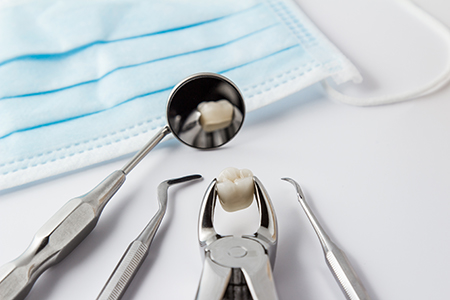
When an extraction is necessary, we combine clinical experience with a patient-centered approach to make the process as smooth and predictable as possible. Our team emphasizes clear explanations, careful planning, and attentive follow-up to reduce anxiety and support healing every step of the way.
Kokomo Smile Creations focuses on individualized care—assessing each case on its own merits and recommending only the treatments that will improve function and long-term oral health. If tooth replacement is part of your plan, we’ll review options such as bridges, dentures, or dental implants and help you decide on the best path forward.
Our priority is your comfort, safety, and the long-term stability of your smile. From routine, atraumatic extractions to coordinated care with surgical specialists for complex cases, we aim to deliver thoughtful solutions tailored to your needs.
To learn more about tooth extractions and what to expect, please contact us for additional information or to schedule an appointment. We’re here to answer your questions and help you make a confident, informed decision about your dental care.
Tooth extraction is recommended when preserving a tooth would compromise oral health or function. Common reasons include extensive decay, severe infection, advanced periodontal disease, or a tooth fractured below the gumline. Extractions may also be advised when a tooth is ankylosed, non-restorable, or creating orthodontic crowding.
Before recommending removal, we perform a thorough clinical evaluation and use radiographs to assess root shape, bone levels, and adjacent anatomy. Medical history and current medications are reviewed to identify factors that could affect healing or anesthesia choices. When extraction is the most predictable path, the dentist will explain why and outline appropriate follow-up and replacement options.
Wisdom teeth can require removal if they are impacted, partially erupted, decayed, or causing pain and infection. Symptoms that suggest removal include persistent soreness, swelling, difficulty opening the mouth, recurrent infections around the tooth, or damage to neighboring teeth. Radiographic evaluation helps determine impaction, angle of eruption, and proximity to nerves.
Not all wisdom teeth need extraction; some erupt normally and remain healthy. The decision balances current signs and the risk of future problems based on position, patient age, and oral hygiene. If a surgical approach appears necessary or the tooth is deeply impacted, a referral to an oral and maxillofacial surgeon may be recommended.
A simple extraction is performed on a tooth that is visible in the mouth and can be removed with forceps after adequate local anesthesia. These procedures are typically quick and involve loosening the tooth and removing it with controlled motions, and most patients report pressure rather than sharp pain due to effective numbing. Simple extractions usually have straightforward healing and predictable aftercare instructions.
A surgical extraction is required when a tooth is broken at the gumline, impacted, fused to bone, or has complex root anatomy. Surgical removal may involve a small incision, removal of a bit of bone, or sectioning the tooth into pieces to extract it safely. For complex cases, coordination with an oral surgeon ensures specialized care and optimized outcomes.
Preparation begins with an accurate medical history and a list of current medications, including blood thinners and supplements that can affect bleeding or healing. Follow any preoperative instructions provided by the office, such as eating or fasting guidance for sedation, and arrange transportation if you will receive moderate or deep sedation. Clear communication about medical conditions and allergies allows the team to plan safe anesthesia and postoperative care.
Wear comfortable clothing and plan time for rest after the procedure, especially for surgical extractions or when sedation is used. Bring a list of questions about the procedure, anesthesia, and recovery so you understand each step. If you have a complex medical history, the dentist may coordinate with your physician before the appointment to ensure appropriate precautions are in place.
Most patients receive local anesthesia so they experience numbness rather than pain; the procedure itself often feels like pressure and movement. For simple extractions the dentist uses elevators and forceps to loosen and remove the tooth, while surgical extractions may involve small incisions and gentle removal of bone or sectioning of the tooth. The clinical team takes steps to control bleeding and may place dissolvable sutures when needed.
Throughout the appointment the dentist will explain what is happening and check that you are comfortable; additional sedation may be adjusted if it was planned. After the tooth is removed, gauze is applied to help form a clot and initial recovery instructions are reviewed. Follow-up visits are scheduled when stitches were placed or when monitoring of healing is recommended.
Postoperative care focuses on controlling bleeding, protecting the blood clot, reducing swelling, and managing discomfort. Bite gently on supplied gauze for the recommended intervals to promote clot formation, avoid vigorous rinsing or spitting for 24–48 hours, and do not use straws or smoke, as these actions can dislodge the clot. Use cold packs intermittently during the first 24 hours to minimize swelling and take prescribed or recommended analgesics to stay ahead of pain.
Begin gentle oral hygiene the day after surgery by brushing teeth carefully while avoiding the surgical site and using a mild salt-water rinse as directed to keep the area clean. Consume soft, non-irritating foods and stay hydrated, gradually reintroducing firmer foods as comfort permits. Contact the office if you experience heavy bleeding, worsening swelling after 48–72 hours, fever, or increasing pain that does not respond to medication.
The most common complications include prolonged bleeding, infection, and a dry socket, which occurs when the blood clot is dislodged and the underlying bone is exposed. Infection may present with increasing pain, swelling, or drainage several days after surgery and is typically treated with local care and, if indicated, antibiotics. Dry socket causes intense, localized pain that often responds to a medicated dressing placed by the dentist and careful home care instructions.
Less commonly, nerve irritation or damage can cause temporary numbness or tingling when extractions are close to neural structures; the dentist evaluates risk before treatment and monitors recovery. If any unexpected symptoms occur, prompt communication with the dental team allows timely intervention and reduces the likelihood of more serious problems. Follow-up visits help ensure healing is progressing as expected and allow the dentist to address any concerns.
Replacing a missing tooth is generally recommended to restore chewing function, maintain proper alignment of adjacent teeth, and preserve jawbone health. Timing depends on healing and the planned replacement method; after extraction sites have healed sufficiently, options include dental implants, fixed bridges, or removable dentures. Implants provide a stable, bone-preserving solution for many patients, while bridges and dentures may be appropriate depending on oral health and anatomical factors.
Selection of the best replacement involves clinical assessment, imaging, and discussion of long-term goals such as durability, maintenance needs, and aesthetic expectations. The dentist will outline the procedural steps, anticipated healing timeline, and any coordination with specialists if implant surgery or extensive restorative work is planned. A staged approach often provides the most predictable functional and aesthetic outcome.
Kokomo Smile Creations combines comprehensive assessment, modern imaging, and patient-centered planning to ensure extractions are performed safely and with predictable results. The team emphasizes clear communication about why extraction is recommended, the chosen technique, anesthesia options, and detailed postoperative care to support a smooth recovery. When cases require advanced surgical skill, the practice coordinates referrals to trusted specialists to provide the most appropriate care.
Patients receive individualized treatment plans that consider overall oral health, replacement options when needed, and follow-up to monitor healing. The focus on safety, comfort, and long-term function helps patients make informed decisions and supports reliable outcomes for both routine and complex extractions.
Kokomo Smile Creations is a family-focused dental practice led by Dr. Alec Willard, proudly serving Kokomo and the surrounding communities for generations. We're committed to personalized, comfortable care in a smaller, more intimate office where you're treated like family.
Where to Find Us
412 West Walnut Street, Kokomo, IN 46901