
When a cavity or minor fracture disrupts a tooth’s strength and appearance, a conservative restoration can preserve both function and form. Composite fillings—made from advanced resin materials—are designed to rebuild the natural shape of a tooth while blending in with surrounding enamel. This approach prioritizes preservation of healthy tooth structure and aims to deliver a result that looks like the tooth was never compromised.
Composite restorations bond directly to the tooth, which helps stabilize weakened areas and reduces the need for extensive preparation. Because the material can be matched to your tooth shade and sculpted to mimic natural contours, composite fillings are often chosen when appearance matters as much as performance. The result is a discreet, durable repair that supports everyday chewing and speaking.
At Kokomo Smile Creations, we view fillings as more than a quick fix. When placed thoughtfully, a composite restoration can help delay or prevent more invasive treatments down the road, keeping more of your natural tooth intact for longer.
One of the key reasons patients and clinicians favor composite fillings is their ability to restore both appearance and function. Unlike metal restorations, tooth-colored composites are virtually invisible when matched correctly, allowing patients to smile confidently without drawing attention to treated teeth. The aesthetic benefit is particularly important for fillings in visible areas of the mouth.
Beyond looks, composites offer functional advantages. Their adhesive properties create a seal with the tooth that helps block bacterial entry at the margins of the restoration. Because less healthy enamel and dentin must be removed during preparation, composite techniques can be more conservative than traditional options—preserving more of the tooth’s long-term strength.
Composites are also versatile: they can be used to repair small chips, reshape worn edges, and fill cavities of varied sizes. Their adaptability makes them a practical choice for many routine restorative needs while maintaining a natural appearance.

The typical composite filling appointment is straightforward and focused on patient comfort. After a careful exam and any necessary X-rays, the tooth is cleaned and local anesthesia is used when indicated to minimize sensation. Once comfortable, the clinician removes the decayed or damaged tissue with precision instruments, taking care to conserve healthy structure wherever possible.
Following preparation, the tooth surface is treated with bonding agents that help the composite adhere to enamel and dentin. The resin material is applied in thin layers, with each layer shaped and cured using a specialized light. This layered technique allows the dentist to recreate the tooth’s natural anatomy and ensure the restoration integrates with your bite.
Finishing touches include careful adjustment and polishing to produce a smooth surface that resists staining and feels comfortable against the tongue and opposing teeth. Throughout the process, our team explains each step so you know what to expect and can feel at ease during treatment.
Patient comfort is a priority; if anxiety or strong gag reflexes make treatment difficult, our practice can discuss gentle options to help you relax and receive the care you need.
It’s normal to experience temporary numbness after a local anesthetic, so avoid chewing until sensation returns to prevent accidental biting of cheeks or lips. Mild sensitivity to hot, cold, or pressure can occur for a few days as the tooth settles—this usually subsides without intervention. If sensitivity persists beyond a couple of weeks or you notice pain when biting, it’s important to schedule an evaluation so adjustments can be made.
Good oral hygiene is a cornerstone of restoration longevity. Brushing twice daily with a soft-bristled brush, flossing to remove interproximal plaque, and keeping regular dental checkups help protect both the filling and the tooth around it. Professional cleanings and examinations allow your clinician to monitor margins and identify early signs of wear or secondary decay.
Avoiding extremely hard or sticky foods for the first 24–48 hours can reduce stress on a new restoration. With routine care and periodic assessments, composite fillings can perform well for many years; attentive maintenance helps preserve both function and appearance.

Our aim is to restore teeth in ways that feel natural and support long-term oral health. If you have questions about discomfort or what to expect after a filling, our team is available to guide you through recovery and follow-up care.
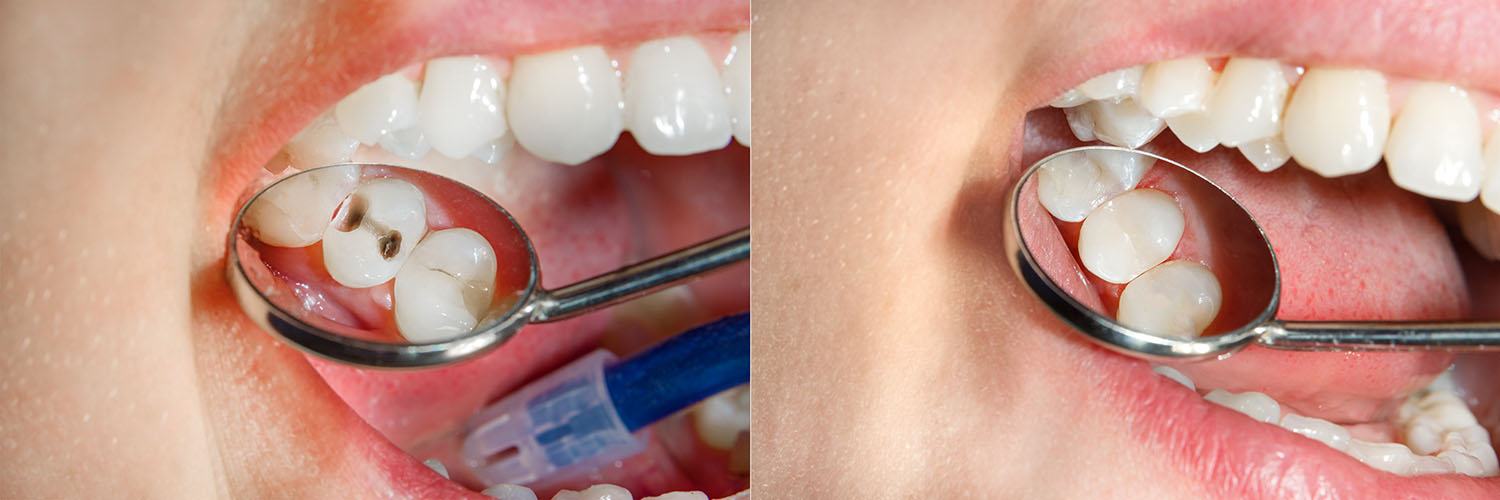
While composite fillings are appropriate for many situations, there are times when other restorations may be more suitable—especially for very large cavities or teeth with extensive structural loss. In those cases, options such as onlays, crowns, or indirect restorations can provide added strength and protection. Your clinician will consider the extent of decay, bite forces, and aesthetic goals when recommending the best path forward.
Composite materials continue to improve, and proper technique combined with routine maintenance frequently results in long-lasting outcomes. However, all restorations are subject to wear, micro-leakage, or fracture over time. Regular dental visits allow early detection of problems and timely repair before more invasive treatment becomes necessary.
Ultimately, the choice of restoration is a shared decision between you and your dental team. We weigh clinical findings, tooth preservation, appearance, and your personal preferences to recommend a plan that supports a healthy, functional smile for years to come.
Summary: Composite (tooth-colored) fillings offer a conservative, aesthetic, and effective way to treat cavities and minor tooth damage. They bond to the natural tooth, preserve more healthy structure, and can be shaped to match your smile while restoring function. For questions about whether a composite filling is the right option for you, or to schedule an evaluation, please contact us for more information.
Composite fillings are restorations made from a resin material blended with glass or ceramic particles to mimic the look and function of natural tooth enamel. They bond directly to the tooth surface, allowing the dentist to conserve healthy enamel and dentin while stabilizing weakened areas. Because the material can be shaded and sculpted, composite fillings restore natural contours and blend into your smile.
The adhesive bond created by modern composites helps seal the margins and reduce the risk of bacterial infiltration around the restoration. Composites are versatile and can repair small cavities, chips, and worn edges in both front and back teeth. Improvements in materials and placement techniques have enhanced their strength and aesthetic performance over time.
One major reason is appearance: composite fillings are tooth-colored and can be matched to surrounding enamel, making them virtually invisible in the smile. Another benefit is conservation of tooth structure, since composites bond to enamel and dentin and often require less removal of healthy tissue than some metal restorations. This conservative approach supports the long-term strength of the tooth.
Functionally, the adhesive properties of composites create a seal that helps limit microleakage and secondary decay at the margins. Composites are also adaptable for repairing chips or reshaping worn areas, increasing their usefulness beyond traditional cavity repair. Your clinician will weigh aesthetic goals, the size and location of the defect, and functional demands when recommending the best material.
A composite filling appointment typically begins with an exam and any necessary X-rays to assess the extent of decay or damage. Local anesthesia is used when indicated to ensure comfort while the clinician removes decayed or fractured tissue with precision instruments. After preparation, bonding agents are applied and the composite resin is placed in thin layers, each cured with a specialized light to build up the tooth.
Once the material is shaped to recreate natural anatomy, the dentist adjusts your bite and polishes the restoration to a smooth, stain-resistant finish. The team will explain each step so you understand the process and feel at ease during treatment. If dental anxiety is a concern, ask about gentle options to help you relax before and during the appointment.
Composite fillings can provide many years of reliable service, but their lifespan depends on several factors rather than a single fixed timeframe. The size and location of the restoration, the patient’s bite forces and habits such as grinding, and the quality of oral hygiene all influence durability. Proper placement technique and the use of high-quality materials also play a significant role in long-term performance.
Regular dental checkups allow the clinician to monitor restoration margins for wear, staining, or recurrent decay so minor issues can be addressed early. Avoiding excessive chewing on hard objects and maintaining good home care reduce wear and help preserve the filling. When restorations show signs of failure, timely repair or replacement prevents more extensive treatment later.
After a filling, avoid chewing until the local anesthetic has worn off to prevent accidentally biting your lip or cheek. For the first 24 to 48 hours, try to avoid extremely hard or sticky foods that could stress a fresh restoration while it acclimates. Resume thorough brushing twice daily with a soft-bristled brush and flossing daily to control plaque around the filling and adjacent teeth.
Keep routine dental visits for professional cleanings and examinations so your clinician can check the restoration for proper margins and wear. If you notice roughness, a change in bite, or persistent sensitivity, schedule an evaluation so adjustments can be made. Preventive care and early detection are the best ways to extend the life of any restoration.
It is common to experience mild sensitivity to hot, cold, or pressure for a few days after a filling as the tooth and surrounding tissues settle. Sensitivity can result from inflammation of the pulp, the depth of the cavity removal, or slight differences in how the new restoration contacts opposing teeth. In many cases this temporary sensitivity resolves on its own with time and gentle home care.
You should contact Kokomo Smile Creations if sensitivity persists for more than two weeks, worsens over time, or if you experience sharp pain when biting or prolonged discomfort to temperature. Those signs can indicate that an adjustment, repair, or additional evaluation is needed to protect the tooth and restore comfort. Prompt assessment helps prevent small concerns from becoming larger problems.
Fillings are ideal for small to moderate cavities and minor fractures, but when a tooth has extensive structural loss a more protective restoration may be necessary. Large cavities, multiple failed restorations, or significant cusp involvement can compromise the tooth’s integrity and biting strength, making onlays or crowns a more appropriate long-term solution. These indirect restorations restore form and function while distributing occlusal forces more effectively.
When deciding between a filling and a larger restoration, clinicians evaluate the amount of remaining tooth structure, the location of the defect, and the patient’s functional demands. The recommended approach balances preservation of tooth tissue with the need for strength and longevity, and your dental team will discuss options and the reasons behind their recommendation.
Signs that a filling may need attention include visible chips or fractures, rough or jagged edges, dark staining at the margin, recurrent sensitivity, and discomfort when biting. Gaps between the filling and tooth or recurrent decay around the restoration are clear indicators that repair or replacement is necessary. Regular dental exams help identify these issues before they cause more significant damage.
If you notice any of the symptoms above, schedule an evaluation so your clinician can assess the restoration and take any needed action. Early repairs often allow for conservative treatment and can prevent the need for more invasive procedures down the road. Monitoring restorations and addressing problems promptly supports long-term oral health.
Composite fillings are widely used for patients of all ages and are considered safe when placed by a trained dental professional using proper technique. The materials used today have undergone extensive testing and improvements to reduce wear and enhance biocompatibility. For children, composites are often preferred for visible teeth because they provide a natural appearance and allow conservation of tooth structure.
When treating young patients, clinicians also consider behavior, cooperation, and the size and location of the cavity to determine the best approach. If you have specific material concerns or allergies, discuss them with your dentist so they can recommend the most appropriate restorative option for your situation.
Treatment planning at our practice focuses on preserving healthy tooth structure while restoring function and appearance in a way that fits each patient’s needs. We begin with a careful exam and diagnostic imaging when necessary, then explain the condition, material choices, and the clinical rationale for our recommendation. Our goal is to present conservative options that balance longevity with aesthetics and oral health.
We tailor care to individual preferences, bite considerations, and long‑term maintenance needs, and we involve patients in shared decision‑making to select the best path forward. Routine follow-up and preventive care are emphasized so restorations can be monitored and maintained over time for optimal results.
Kokomo Smile Creations is a family-focused dental practice led by Dr. Alec Willard, proudly serving Kokomo and the surrounding communities for generations. We're committed to personalized, comfortable care in a smaller, more intimate office where you're treated like family.
Where to Find Us
412 West Walnut Street, Kokomo, IN 46901